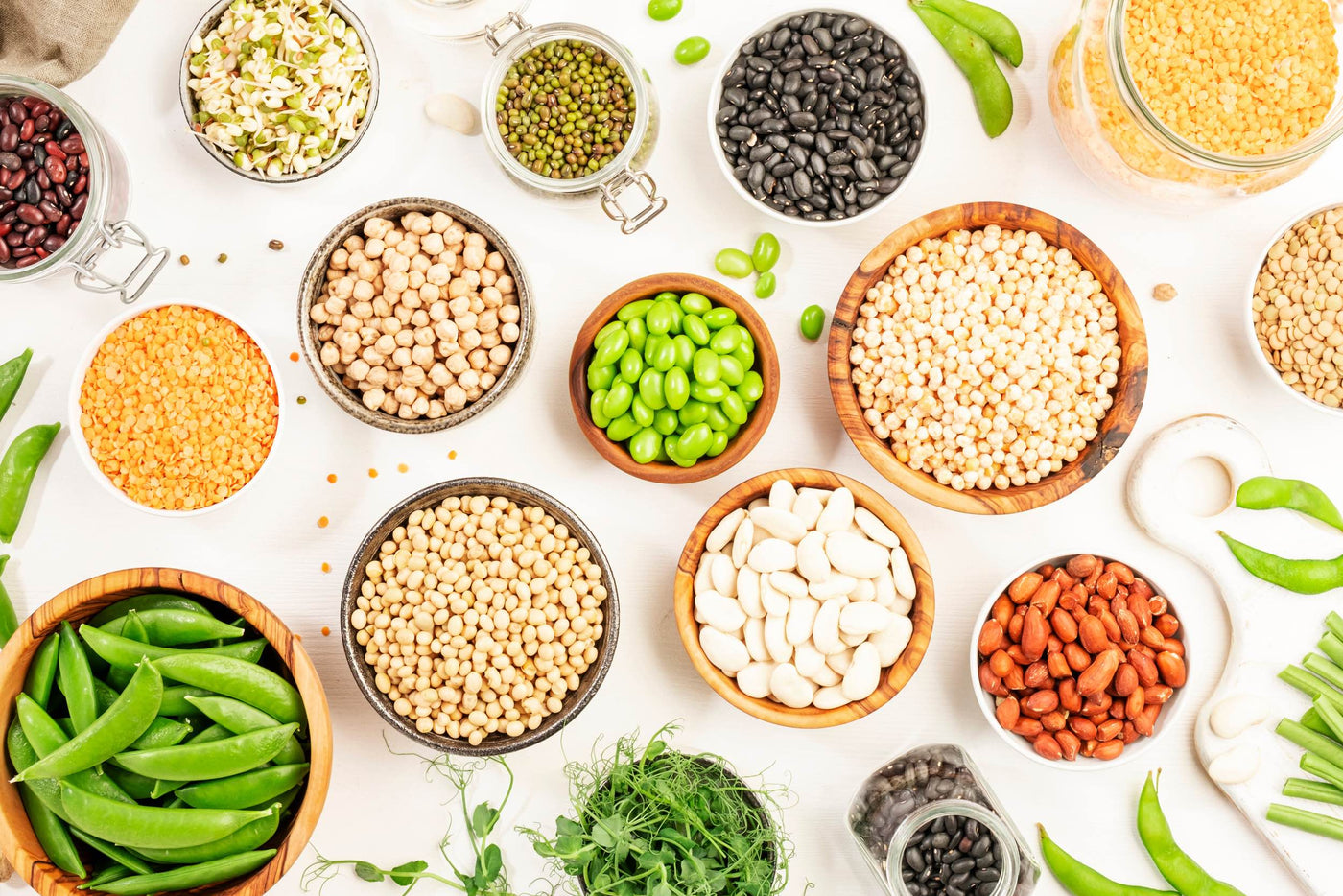
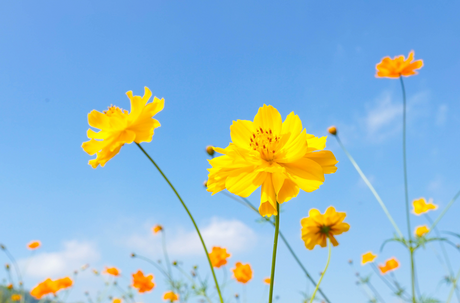
Sprouts/Microgreens - Radish, Daikon
From $399 USDUnit price /UnavailableDescription
- Organic
- They're easy to grow - and - taste great.
- Country of Origin: Italy
-
Hints of pepper flavor.
-
Radish sprouts have gained popularity in recent years.
- Day to Maturity | 3-6 days
Follow SeedsNow.com's board Radish on Pinterest. - Organic
-
Carrot - Heritage Rainbow Blend
From $399 USDUnit price /UnavailableDescription
-
The Heritage Rainbow Blend is a mix of different colored carrots.
- 7" long and 2" thick with thickly tapered ends
- Tender and very sweet
- Carrots are sun-loving plants that also like the cold.
-
Days to Maturity | 70 days
- Carrot Seeds | Carrots are an annual cool-season crop, half-hardy to frost and light freezes. Sow seeds evenly in a very shallow furrow, about 1/4 inch deep, and keep seeds moist so they will germinate.
Click here for complete Carrot grow guide
Additional Details
Carrot gets its characteristic and bright orange colour from β-carotene, which is metabolised into vitamin A in humans when bile salts are present in the intestines. Carrots are also rich in dietary fibre, antioxidants, and minerals.

Follow SeedsNow.com's board Carrots on Pinterest. -
The Heritage Rainbow Blend is a mix of different colored carrots.
-
Carrot - Cosmic Purple, 7" Long
From $399 USDUnit price /UnavailableDescription
-
The Cosmic Purple carrot is one of the most beautiful varieties you can grow in your garden.
- A great addition to any culinary creation.
- 7" long and 2" thick with thickly tapered ends
- Tender and very sweet
- Carrots are a sun-loving plants that also like the cold.
-
Day to Maturity | 70 days
- Carrot Seeds | Carrots are an annual cool-season crop, half-hardy to frost and light freezes. Sow seeds evenly in a very shallow furrow, about 1/4 inch deep, and keep seeds moist so they will germinate.
Click here for complete Carrot grow guide
Additional DetailsCarrot gets its characteristic and bright orange colour from β-carotene, which is metabolised into vitamin A in humans when bile salts are present in the intestines. Carrots are also rich in dietary fibre, antioxidants, and minerals.
Follow SeedsNow.com's board Carrots on Pinterest. -
The Cosmic Purple carrot is one of the most beautiful varieties you can grow in your garden.
-
Pepper (Sweet) - Cherry, Large Red
From $399 USDUnit price /UnavailableDescription
The Large Red Cherry Pepper has been a staple in American gardens since the mid-1800s. Tall plants set fruit continuously throughout the season, ripening from vivid green to maraschino red. With smooth, thick skin and sweet flavor, this adorable 1"-2" mini pepper is the perfect size and texture for pickling, canning, skewering, or stuffing with a cube of mozzarella to roast or grill.- High yields
- Ever-bearing
- Sweet and crunchy
- Good for containers
SEED PLANTING TIPS
- Botanical name: Capsicum annuum
- Pepper size: Small/Mini 1"-2"
- Plant support: Tomato cage or stake
- Depth to plant seeds: .25" deep
- Spacing between plants: 18"-24" apart
- Spacing between rows: 24"-36" apart
- Days to germinate (sprout): 7-21 days
- Germination soil temps: 75F-85F
- Soil needs: 6.0-7.0 pH
- Sun needs: Full sun
- Frost hardy: No
- Planting season: Spring, summer
- # of plants per sq. ft.: Appx. 1 plant per 2 sq. ft.
- Days to maturity: 75-85 days
Good companion plants: Basil, Carrot, Cucumber, Eggplant, Okra, Rosemary, Sage, Squash, Tomato
- Plant produces excellent yields of delicious sweet round red cherry peppers on a compact plant. Excellent for salads, stuffing, canning, or cooking. Very easy to grow. Grows well in containers and tight spaces. A must for the gourmet home gardeners.
All Peppers ⟐ Sweet Peppers 📚 Sweet Peppers Grow Guide 
Watermelon - Moon & Stars (Red-flesh)
From $399 USDUnit price /UnavailableDescription
- The Moon & Stars Watermelon dark green rind and bright yellow spots.
- Yellow spots are very unique and can be small or large in size.
- All American classic heirloom watermelon. - Deep red flesh.
- Grows over 40 lbs!
-
Day to Maturity | 90 days
- Watermelons are heat-loving plants that need lots of sun. They grow on a long vine, so make sure to give them plenty of space to roam around.
Follow SeedsNow.com's board Watermelon on Pinterest. - The Moon & Stars Watermelon dark green rind and bright yellow spots.

Watermelon - Moon & Stars (Yellow-flesh)
From $399 USDUnit price /UnavailableDescription
- The Moon & Stars Watermelon dark green rind and bright yellow spots
- Yellow spots are very unique and can be small or large in size
- All American classic heirloom watermelon - Deep yellow flesh
- Grows over 40 lbs
-
Days to Maturity | 90 days
-
Watermelons are heat-loving plants that need lots of sun. They grow on a long vine, so make sure to give them plenty of space to roam around.
- The Moon & Stars Watermelon dark green rind and bright yellow spots

Cauliflower - Violetta (Purple)
From $399 USDUnit price /UnavailableDescription
- This Cauliflower variety produces large purple heads and surrounded by dark green leaves
- Continues to grow well for a long time
- Suitable for successional sowing all year round -
Days to Maturity | 65 days
-
Cauliflower Seeds | Cauliflower is an annual cool-season crop, half-hardy to frost and light freezes. Plant in rows 2 1/2 to 3 feet apart, with 2 feet between plants.
Click here for complete Cauliflower grow guide
- This Cauliflower variety produces large purple heads and surrounded by dark green leaves
-
From $399 USDUnit price /Unavailable
Description
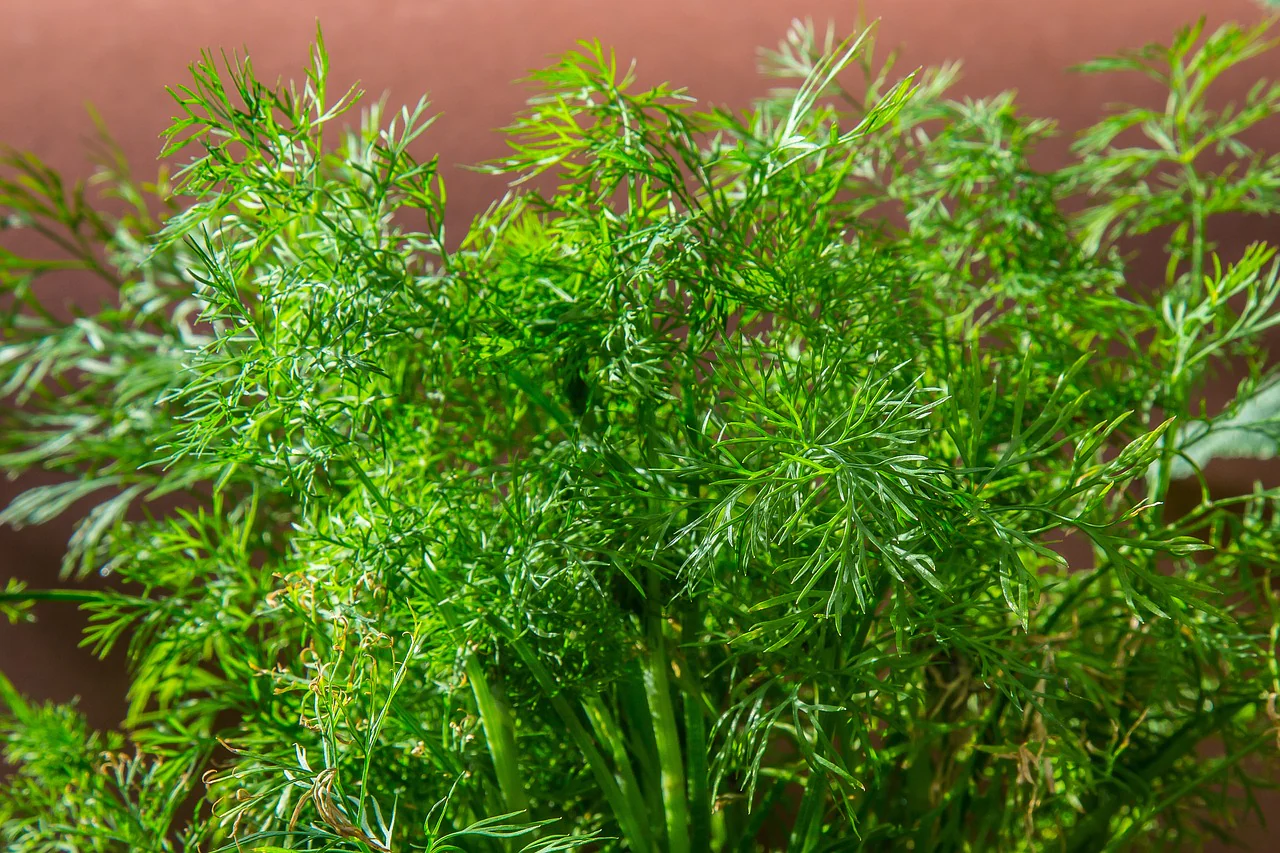
- Dukat dill is a particularly fine plant with amazing flavor and large heads. If you like dill you will love to try this new variety in your garden
- This variety is darker than most other dill varieties.
- Excellent fresh or dried.
- Grown for homemade dill pickles.
- Can be grown in containers, raised beds, and any other location in full sun.
- Annual plant.
- Adds great flavor and color to many culinary creations.
Additional Details
Dill has a very long history of herbal use going back more than 2,000 years. The seeds are a common and very effective household remedy for a wide range of digestive problems. An infusion is especially efficacious in treating gripe in babies and flatulence in young children. The seed is aromatic, carminative, mildly diuretic, galactogogue, stimulant and stomachic.
Other Medicinal Properties
Dill is also used in the form of an extracted essential oil. Used either in an infusion, or by eating the seed whole, the essential oil in the seed relieves intestinal spasms and griping, helping to settle colic. Chewing the seed improves bad breath. Dill is also a useful addition to cough, cold and flu remedies, it can be used with antispasmodics such as Viburnum opulus to relieve period pains. Dill will also help to increase the flow of milk in nursing mothers and will then be taken by the baby in the milk to help prevent colic.
See Dill Recipes & Growing Tips on our Pinterest Board
Follow SeedsNow.com's board Dill on Pinterest. - Dukat dill is a particularly fine plant with amazing flavor and large heads. If you like dill you will love to try this new variety in your garden
-
From $399 USDUnit price /Unavailable
Description

- Fruits are black and round
- Excellent flavor and a must -try if you you enjoy eggplant
- Easy to grow
-
Eggplant Seeds | Start seed indoors to allow at least 10 weeks for young plants to develop. Plant in rows 3 feet apart, with 2 feet between plants.
Click here for complete Eggplant grow guide
- Fruits are black and round
 From $399 USDUnit price /Unavailable
Description
Hybrid

Mint, Peppermint- Peppermint is typically used in teas, jellies, deserts, and salads.
- Extremely fragrant.
- Sweet smelling.
- Acts as a natural wasp repellant.
- Perennial.
- Can be used as a garnish on ice cream and drinks.

Click here to see 7 Awesome Mint Drink Recipes HERE
Follow SeedsNow.com's board Mint on Pinterest.
- Peppermint is typically used in teas, jellies, deserts, and salads.
-
Onion - Walla Walla Sweet (Long Day)
From $399 USDUnit price /UnavailableDescription

- The Walla Walla Sweet Onion variety will produces a globed shaped white onion
- Bulbs can reach 2 lbs
- This is one of the most popular Long day onion varieties available
- Easy to grow
- Perfect for beginners
- Grows well in containers and tight spaces
-
Days to Maturity | 110-120 days
Onion Seeds | Onions are easy to grow, have a fairly short growing period and take up little space in the garden. Plant onions 1/4 inch deep and 3 to 4 inches apart in double rows, leaving 6 to 10 inches between rows.
Click here for complete Onion grow guide
- The Walla Walla Sweet Onion variety will produces a globed shaped white onion
-
Squash (Winter) - Crookneck, Cushaw White
From $399 USDUnit price /UnavailableDescription
-
The Cushaw plant produces some of the most beautiful white crookneck squash you've ever seen
- Curved/crook-neck variety
- Grows as a vine (not as a bush)
- Very sweet and full of flavor - perfect for pies and canning
- Ideal for any sized garden and easy to grow
- Days to Maturity | 100 days
Additional Details
Though considered a vegetable in cooking, botanically speaking, squash is a fruit (being the receptacle for the plant's seeds). Squash can be served fresh (in salads) and cooked (squash stuffed with meat, fried squash, baked squash).
-
The Cushaw plant produces some of the most beautiful white crookneck squash you've ever seen
-
Carrot - St. Valery/James Scarlet, 12" Long
From $399 USDUnit price /UnavailableDescription
- Old French variety that produces extremely sweet and delicious carrots up to 12” in length
- Tender, sweet, and smooth roots
-
Also known as the “James Scarlet”
-
Days to Maturity | 70 days
-
Carrot Seeds | Carrots are an annual cool-season crop, half-hardy to frost and light freezes. Sow seeds evenly in a very shallow furrow, about 1/4 inch deep, and keep seeds moist so they will germinate.
Click here for complete Carrot grow guide
Additional Details
Carrot gets its characteristic and bright orange colour from β-carotene, which is metabolised into vitamin A in humans when bile salts are present in the intestines. Carrots are also rich in dietary fibre, antioxidants, and minerals.
- Old French variety that produces extremely sweet and delicious carrots up to 12” in length
-
From $399 USDUnit price /Unavailable
Description
Green leaf with red veins have a slightly tangy lemon flavor which adds zest to salads and is especially good with fish. The leaves grow up to 8" long and can also be cooked like spinach or even used in soups. Sure to be your new favorite.
55 days to maturity
-
From $399 USDUnit price /Unavailable
Description
The Snow White Carrot (Daucus carota) is a creamy white carrot with a crispy crunch and mild, sweet flavor. Grows 7" long with a tapered root. Harvest sooner for small carrots. Half-hardy to frost and light freezes. Good steamed, roasted, and fresh.
- Sweet and crunchy
- Size: 7" long
- Days to germinate (sprout): 7-21 days
- Days to maturity: 70-75
Good companion plants: Broccoli, Cauliflower, Chives, Lettuce, Onion, Parsley, Peas, Rosemary, Sage, Thyme, Tomato
SEED PLANTING TIPS
- Depth to plant seeds: .25" deep
- Spacing between plants: 2" apart
- Spacing between rows: 18"-24" apart
- Days to germinate (sprout): 7-21 days
- Germination soil temps: 65F-85F
- Soil needs: 6.0-6.8 pH
- Sun needs: Full sun
- Hardiness: Half-hardy to frost and light freezes
- Planting season: Spring, fall
- # of plants per sq. ft.: Appx. 16 plants per sq. ft.
- Days to maturity: 70-75 days
 From $399 USDUnit price /Unavailable
Description
The Golden Wax Bush Bean is a beautiful buttery treat in the garden. With its long, straight yellow pods, this heavy producing stringless bean is easy to cook or can. Grow these alongside Borlotti Bush Beans and Royal Burgundy Bush Beans for an artistic change from the usual green beans.
- Easy to grow
- Stringless variety
- Produces long 5"-7" pods
- Buttery wax bean flavor
SEED PLANTING TIPS
- Botanical name: Phaseolus vulgaris
- Depth to plant seeds: 1" deep
- Spacing between plants: 4"-6" apart
- Spacing between rows: 18"-24" apart
- Days to germinate (sprout): 10-14 days
- Germination soil temps: 70F-85F
- Soil needs: 6.0-7.0 pH
- Sun needs: Full sun
- Frost hardy: No
- Planting season: Spring, summer, fall
- # of plants per sq. ft.: Appx. 4 plants per sq. ft.
- Days to maturity: 65-75 days
Good companion plants: Cucumber, Pea, Rosemary, Thyme, Tomato
-
Squash (Winter) - Queensland Blue
From $399 USDUnit price /UnavailableDescription
The Queensland Blue Winter Squash (Cucurbita maxima) is an Australian Blue pumpkin with beautiful blue-green skin, gray foliage, and bright orange flesh that’s fragrant, meaty, and sweet. Deeply ribbed, slightly flattened, and can weigh 8 lbs-20 lbs. Dependable producer with a vining growth habit. Keeps for up to 6 months under proper storage conditions. Great for baking, canning, and roasting.
- Sweet and firm
- High yields
- Dependable producer
- Good keeper
SEED PLANTING TIPS
- Botanical name: Cucurbita maxima
- Hardiness zones: 3-11
- Planting season: Spring, summer
- Squash size: Large
- Growth habit: Vine (6'-10' long), trellis support or generous bed/ground space
- Depth to plant seeds: 1" deep
- Spacing between plants: 10'-12' apart
- Spacing between rows: 10'-15' apart
- Days to germinate (sprout): 5-10 days
- Germination soil temps: 70F-85F
- Soil needs: Loamy, rich, moist, well-drained
- Soil pH: 6.0-6.8
- Sun needs: Full sun
- Frost tolerant: No
- Days to maturity: 100-120 days
Good companion plants: Bean, Dill, Epazote, Marigold, Pea, Pepper, Sage, Thyme
Though considered a vegetable in cooking, botanically speaking, squash is a fruit (being the receptacle for the plant's seeds). Squash can be served fresh (in salads) and cooked (squash stuffed with meat, fried squash, baked squash).
-
Carrot - Solar Yellow, 7" Long
From $399 USDUnit price /UnavailableDescription
The Solar Yellow Carrot (Daucus carota) is a sunny yellow carrot with a crispy crunch and a flavor slightly sweeter than the orange ones. Grows 7" long with a tapered root. Harvest sooner for small carrots. Half-hardy to frost and light freezes.
- Sweet and crunchy
- Size: 7" long
- Days to germinate (sprout): 7-21 days
- Days to maturity: 75-80
Good companion plants: Broccoli, Cauliflower, Chives, Lettuce, Onion, Parsley, Peas, Rosemary, Sage, Thyme, Tomato
SEED PLANTING TIPS
- Depth to plant seeds: .25" deep
- Spacing between plants: 2" apart
- Spacing between rows: 18"-24" apart
- Days to germinate (sprout): 7-21 days
- Germination soil temps: 65F-85F
- Soil needs: 6.0-6.8 pH
- Sun needs: Full sun
- Hardiness: Half-hardy to frost and light freezes
- Planting season: Spring, fall
- # of plants per sq. ft.: Appx. 16 plants per sq. ft.
- Days to maturity: 70-75 days
-
From $399 USDUnit price /Unavailable
Description
The Purple Haze Carrot (Daucus carota) is dark purple on the outside and bright orange on the inside. Fun when sliced into coins. Grows 6"-8" with tapered roots, good texture, and sweet flavor. Half-hardy to frost and light freezes. Good steamed, roasted, and fresh.
- F1 hybrid
- Sweet and crunchy
- Size: 6"-8" long
- Days to germinate (sprout): 7-21 days
- Days to maturity: 70-75
- Can be harvested sooner for mini sized carrots
Good companion plants: Broccoli, Cauliflower, Chives, Lettuce, Onion, Parsley, Peas, Rosemary, Sage, Thyme, Tomato
SEED PLANTING TIPS
- Depth to plant seeds: .25" deep
- Spacing between plants: 2" apart
- Spacing between rows: 18"-24" apart
- Days to germinate (sprout): 7-21 days
- Germination soil temps: 65F-85F
- Soil needs: 6.0-6.8 pH
- Sun needs: Full sun
- Hardiness: Half-hardy to frost and light freezes
- Planting season: Spring, fall
- # of plants per sq. ft.: Appx. 16 plants per sq. ft.
- Days to maturity: 70-75 days
-
Tomato - Thessaloniki (Indeterminate)
From $399 USDUnit price /UnavailableDescription
The Thessaloniki Tomato is a Greek heirloom. A tomato so epic that Homer could have written an ode to its plump round fruits that ripen from golden yellow to vivid red, high yields in high temps, and a rich, earthy flavor that’s well-balanced between sweet and acidic. This one’s a keeper, both in the garden and on the countertop. By the time you eat a few of these, you may even be able to pronounce it.
- Well-balanced flavor
- Heat tolerant
- Early producer
- Stores well
SEED PLANTING INFO
- Botanical name: Solanum lycopersicum
- Growth type: Indeterminate, trellis support, regular pruning
- Tomato size: Medium
- Depth to plant seeds: .25" deep
- Spacing between plants: 24" apart
- Spacing between rows: 36"-48" apart
- Days to germinate (sprout): 7-14 days
- Germination soil temps: 75F-95F
- Soil needs: 6.0-6.5 pH
- Sun needs: Full sun
- Frost hardy: No
- Planting season: Spring, summer
- # of plants per sq. ft.: Appx. 1 plant per 2 sq. ft.
- Days to maturity: 75-80 days
Click here to view our full Tomato grow guide
Good companion plants: Basil, Borage, Onion, Parsley, Pepper
-
From $399 USDUnit price /Unavailable
Description
Epazote (Dysphania ambrosioides) is a culinary herb with a lemony green color and serrated leaves, traditionally used to add a bold umami-type depth to Mexican cuisine. Its flavor has been described as a mix of mint and savory with a bit of camphor or turpentine thrown in. An acquired taste. As a companion plant, it attracts beneficial insects and masks the scent of other plants that suffer from pest damage. Also used medicinally to help with stomach upset and to combat intestinal parasites. Can become invasive, so best grown in a container.
- Easy to grow
- Culinary and medicinal uses
- Days to germinate (sprout): 5-7 days
- Quick maturity—only 40 days
-
Carrot - Paris Market, 2" Round
From $399 USDUnit price /UnavailableDescription
The Paris Market Carrot (Daucus carota) is a tender, adorable 2" round carrot with very sweet flavor. Grows well in containers, shallow beds, and rocky soil. Half-hardy to frost and light freezes. Good steamed, roasted, and fresh.
- Very sweet and crunchy
- Size: 2" in diameter
- Days to germinate (sprout): 7-21 days
- Days to maturity: 35 days
Good companion plants: Broccoli, Cauliflower, Chives, Lettuce, Onion, Parsley, Peas, Rosemary, Sage, Thyme, Tomato
SEED PLANTING TIPS
- Depth to plant seeds: .25" deep
- Spacing between plants: 2" apart
- Spacing between rows: 18"-24" apart
- Days to germinate (sprout): 7-21 days
- Germination soil temps: 65F-85F
- Soil needs: 6.0-6.8 pH
- Sun needs: Full sun
- Hardiness: Half-hardy to frost and light freezes
- Planting season: Spring, fall
- # of plants per sq. ft.: Appx. 16 plants per sq. ft.
- Days to maturity: 70-75 days
-
From $399 USDUnit price /Unavailable
Description
The Green Arrow Pea (Pisum sativum) is an old English heirloom shelling pea. A semi-dwarf frost-tolerant bush variety that grows to only 2'-3' tall and doesn't require staking. High yields for a compact plant. Produces lots of 4"-5" pods with 9-11 plump, tender, sweet peas inside. Delicious fresh or cooked, if you don’t eat them all before you make it into the house.
- Sweet and tender
- Full sun
- High yields
- Good fresh or cooked
- Good for containers
Good companion plants: Bean, Carrot, Cucumber, Parsley, Pepper, Sage, Spinach, Squash, Strawberry, Thyme
SEED PLANTING TIPS
- Hardiness zones: 2-11
- Planting season: Spring
- Pea type: English/shelling - remove peas from pod before eating
- Growth habit: Bush - no support
- Depth to plant seeds: 1" deep
- Spacing between plants: 2"-3" apart
- Spacing between rows: 18"-24" apart
- Days to germinate (sprout): 7-21 days
- Germination soil temps: 40F-85F
- Soil needs: Clay, sandy, loamy, chalky, rich, moist, well-drained
- Soil pH: 5.5-7.0
- Sun needs: Full sun
- Frost tolerant: Yes
- # of plants per sq. ft.: Appx. 8 plants per sq. ft.
- Days to maturity: 65-70 days
-
Pea - Alaska Early (Earliest of All)
From $399 USDUnit price /UnavailableDescription
The Alaska Early Pea (Pisum sativum), originally named Earliest of All, has a lot of great qualities. As you can guess, it’s one of the earliest to produce in only 55 days. It’s a semi-dwarf frost-tolerant bush variety that grows to only 2'-3' tall and doesn’t require staking. And it produces lots of 2"-3" pods with 5-8 small, plump, smooth, peas inside. Nice flavor that isn’t too sweet. It was renamed in the late 1800s after the steamship Alaska. Can be grown in Alaska, the lower 48, and Hawaii.
- Not too sweet
- Full sun
- High yields
- Early maturity—55 days
- Good for containers
Good companion plants: Bean, Carrot, Cucumber, Parsley, Pepper, Sage, Spinach, Squash, Strawberry, Thyme
SEED PLANTING TIPS
- Botanical name: Pisum sativum
- Hardiness zones: 2-11
- Pea type: English/shelling - remove peas from pod before eating
- Growth habit: Bush - no support
- Depth to plant seeds: 1" deep
- Spacing between plants: 2"-3" apart
- Spacing between rows: 18"-24" apart
- Days to germinate (sprout): 7-21 days
- Germination soil temps: 40F-85F
- Soil needs: Clay, sandy, loamy, chalky, rich, moist, well-drained
- Soil pH: 5.5-7.0
- Sun needs: Full sun
- Frost tolerant: Yes
- # of plants per sq. ft.: Appx. 8 plants per sq. ft.
- Days to maturity: 55-60 days

Shiso, Green (Perilla Leaf, Japanese Basil)
From $399 USDUnit price /UnavailableDescription
Green Shiso (Perilla frutescens), also called Perilla Leaf and Japanese Basil, is an herb in the mint family with large, bright green, wrinkled, serrated leaves. Not as spicy as Red Shiso. Used extensively in Japanese cuisine, it has a fresh minty-basil flavor with notes of clove and cumin, and a bitter, astringent finish. Pairs well with fish, rice, noodles, and vegetables, especially cucumbers. Also a medicinal herb with antioxidant, anti-bacterial, anti-inflammatory, and antiseptic properties. Its rhizome root can become invasive, so best grown in a container.
- Mint-basil-clove-cumin flavor
- Full sun
- Days to germinate (sprout): 7-21 days
- Days to maturity: 80-85 days
Good companion plants: Arugula, Basil, Bok Choy, Parsley, Tomato
-
Sprouts/Microgreens - Pea, Brown Speckled
From $399 USDUnit price /UnavailableDescription
- Organic
- Ready to eat as a sprout just a soon as they pop.
- Sweet and delicious in salads and casseroles.
- Day to Maturity | 3-7 days
Follow SeedsNow.com's board Green Pea Sprouts on Pinterest. -
Lettuce - Marvel of Four Seasons
From $399 USDUnit price /UnavailableDescription

Marvel of Four Seasons lettuce plant, also known as Lactuca sativa, is a popular variety of lettuce that is highly sought after by gardeners and salad enthusiasts. This unique lettuce variety is known for its beautiful red and green leaves, making it a visually appealing addition to any garden or salad bowl.
Marvel of Four Seasons lettuce is a cool-season crop that thrives in mild climates and can be grown in both spring and fall. It is a loose-leaf lettuce variety, which means that the leaves grow in a loose, open head rather than forming a tight, compact head like other lettuce varieties.
One of the key features of Marvel of Four Seasons lettuce is its exceptional taste. The leaves have a delicate, buttery flavor with a slight hint of bitterness, making it a versatile ingredient in salads, sandwiches, and wraps. Its crisp texture adds a refreshing crunch to any dish.
Growing Marvel of Four Seasons lettuce is relatively easy, making it a great choice for both beginner and experienced gardeners. It prefers well-drained soil and requires regular watering to keep the soil moist. This lettuce variety can be grown in containers, raised beds, or directly in the ground.
When planting Marvel of Four Seasons lettuce, it is important to sow the seeds thinly and cover them with a thin layer of soil. The seeds should be spaced about 6 inches apart to allow room for the plants to grow. It is recommended to provide the plants with partial shade to protect them from excessive heat.
Harvesting Marvel of Four Seasons lettuce is a rewarding experience. The leaves can be harvested individually as needed or the entire plant can be harvested at once. To harvest the leaves, simply cut them off at the base using a sharp knife or scissors. The plant will continue to produce new leaves, allowing for multiple harvests throughout the growing season.
Marvel of Four Seasons lettuce is not only a delicious and visually appealing addition to your garden, but it is also packed with nutritional benefits. It is a good source of vitamins A and K, as well as folate and fiber. Adding this lettuce variety to your diet can contribute to a healthy and balanced lifestyle.
Whether you are a seasoned gardener or just starting out, Marvel of Four Seasons lettuce is a fantastic choice for your garden. Its beautiful appearance, delicious taste, and nutritional benefits make it a must-have for any lettuce lover. Start growing your own Marvel of Four Seasons lettuce today and enjoy the satisfaction of harvesting your own fresh, homegrown lettuce.
Click here for our complete Lettuce grow guide -
Amaranth - Tri Color (Joseph's Coat) seeds
From $399 USDUnit price /UnavailableDescription
Amaranthus tricolor, commonly known as Joseph's Coat, is a vibrant and visually striking flowering plant that is often utilized in ornamental gardening. This species is characterized by its broad, colorful leaves that can display a range of hues including red, yellow, and green. The plant typically reaches a height of 2 to 4 feet and can spread up to 3 feet wide, making it a prominent feature in garden landscapes.
One of the notable aspects of Amaranthus tricolor is its adaptability to various soil types. It thrives in well-drained soils and can tolerate poor soil conditions, which makes it an excellent choice for gardeners looking to enhance their landscapes with minimal maintenance. The plant prefers full sun exposure, requiring at least six hours of direct sunlight each day to achieve optimal growth and color vibrancy.
In terms of cultivation, Amaranthus tricolor is relatively easy to grow from seeds. The seeds should be sown directly into the garden after the last frost date, as the plant is sensitive to cold temperatures. Germination typically occurs within 7 to 14 days under suitable conditions. Once established, the plant is drought-tolerant, requiring watering only during prolonged dry spells.
From a nutritional perspective, Amaranthus tricolor is not only ornamental but also edible. The young leaves can be harvested and consumed in salads or cooked as a green vegetable, providing a source of vitamins A and C, as well as essential minerals. This dual-purpose nature enhances its appeal for gardeners interested in both aesthetics and food production.
Furthermore, Amaranthus tricolor attracts beneficial insects, such as pollinators, which can enhance the overall health of the garden ecosystem. The flowers, which are small and clustered, bloom throughout the summer and into the fall, providing a continuous source of color and attracting various species of bees and butterflies.
In conclusion, Amaranthus tricolor is a versatile and attractive addition to any garden. Its vibrant foliage, ease of cultivation, and nutritional benefits make it a valuable choice for both ornamental and edible gardening. Gardeners should consider incorporating this plant into their landscapes to enjoy its beauty and contributions to biodiversity.
Health Benefits of Amaranth
Do you have grey hair? Amaranth helps to prevent premature graying, mainly due to the minerals it contains. It helps to lower bad cholesterol and also can reduce inflammation and ease pain. Especially important for people suffering from diabetes, heart disease, and stroke. Great for tackling high blood pressure and may even help prevent cancer. Don't forget it is a wonderful source of protein.
Ways to Consume Amaranth
Amaranth is a lot like quinoa as far as being a "protein packed" seed. You can roast, pop, or boil these seeds. Use as a breakfast cereal, or combine it with other grains. Amaranth is a wonderful soup thickener because of it's gelatinous quality when cooked. Cook the leaves of the Amaranth plant, similar to how you would cook/use spinach leaves.

See Amaranth Recipes & Growing Tips on our Pinterest Board
-
Pepper (Sweet) - Marconi, Golden
From $399 USDUnit price /UnavailableDescription
Are you looking to add a new pepper plant to your garden? Consider the Marconi pepper plant, a popular choice among gardeners for its mild flavor and versatility in the kitchen. Let's explore the ins and outs of growing this plant in your own backyard.
What are Marconi peppers?
Marconi peppers, also known as Italian frying peppers, are elongated, sweet peppers that are typically harvested when they are green or red. These peppers are prized for their thin walls, making them perfect for sautéing, grilling, or roasting. With a mild, slightly sweet flavor, Marconi peppers are a favorite in Mediterranean cuisine.
How to grow Marconi pepper plants
When planting Marconi pepper seeds, it's important to choose a sunny spot in your garden with well-draining soil. These plants thrive in warm weather, so make sure to plant them after the last frost date in your area. Space the plants about 18 inches apart to allow for proper growth.
Water the plants regularly, ensuring that the soil remains consistently moist but not waterlogged. Fertilize the plants every few weeks with a balanced fertilizer to promote healthy growth. As the peppers begin to develop, provide support for the plants to prevent them from bending or breaking under the weight of the fruit.
Harvesting and using Marconi peppers
Marconi peppers can be harvested when they reach their full size, typically around 6-8 inches in length. You can pick the peppers when they are green for a milder flavor or wait until they turn red for a sweeter taste. Simply cut the peppers from the plant using a pair of scissors or pruning shears.
These versatile peppers can be used in a variety of dishes, from stir-fries and salads to sandwiches and pasta dishes. Roast them for a smoky flavor, or pickle them to enjoy their crisp texture year-round. The possibilities are endless with Marconi peppers in your kitchen!
Are you ready to add the Marconi pepper plant to your garden? With the right care and attention, you can enjoy a bountiful harvest of these delicious peppers throughout the growing season. Happy gardening!
SEED PLANTING TIPS
- Botanical name: Capsicum annuum
- Plant support: Tomato cage or stake
- Depth to plant seeds: .25" deep
- Spacing between plants: 18"-24" apart
- Spacing between rows: 24"-36" apart
- Days to germinate (sprout): 7-21 days
- Germination soil temps: 75F-85F
- Soil needs: 6.0-7.0 pH
- Sun needs: Full sun
- Frost hardy: No
- Planting season: Spring, summer
- # of plants per sq. ft.: Appx. 1 plant per 2 sq. ft.
- Days to maturity: 65-80 days
Good companion plants: Basil, Carrot, Cucumber, Eggplant, Okra, Rosemary, Sage, Squash, Tomato
All Peppers ⟐ Sweet Peppers 📚 Sweet Peppers Grow Guide -
From $399 USDUnit price /Unavailable
Description
Are you looking to add a new pepper plant to your garden? Consider the Marconi pepper plant, a popular choice among gardeners for its mild flavor and versatility in the kitchen. Let's explore the ins and outs of growing this plant in your own backyard.
What are Marconi peppers?
Marconi peppers, also known as Italian frying peppers, are elongated, sweet peppers that are typically harvested when they are green or red. These peppers are prized for their thin walls, making them perfect for sautéing, grilling, or roasting. With a mild, slightly sweet flavor, Marconi peppers are a favorite in Mediterranean cuisine.
How to grow Marconi pepper plants
When planting Marconi pepper seeds, it's important to choose a sunny spot in your garden with well-draining soil. These plants thrive in warm weather, so make sure to plant them after the last frost date in your area. Space the plants about 18 inches apart to allow for proper growth.
Water the plants regularly, ensuring that the soil remains consistently moist but not waterlogged. Fertilize the plants every few weeks with a balanced fertilizer to promote healthy growth. As the peppers begin to develop, provide support for the plants to prevent them from bending or breaking under the weight of the fruit.
Harvesting and using Marconi peppers
Marconi peppers can be harvested when they reach their full size, typically around 6-8 inches in length. You can pick the peppers when they are green for a milder flavor or wait until they turn red for a sweeter taste. Simply cut the peppers from the plant using a pair of scissors or pruning shears.
These versatile peppers can be used in a variety of dishes, from stir-fries and salads to sandwiches and pasta dishes. Roast them for a smoky flavor, or pickle them to enjoy their crisp texture year-round. The possibilities are endless with Marconi peppers in your kitchen!
Are you ready to add the Marconi pepper plant to your garden? With the right care and attention, you can enjoy a bountiful harvest of these delicious peppers throughout the growing season. Happy gardening!
SEED PLANTING TIPS
- Botanical name: Capsicum annuum
- Plant support: Tomato cage or stake
- Depth to plant seeds: .25" deep
- Spacing between plants: 18"-24" apart
- Spacing between rows: 24"-36" apart
- Days to germinate (sprout): 7-21 days
- Germination soil temps: 75F-85F
- Soil needs: 6.0-7.0 pH
- Sun needs: Full sun
- Frost hardy: No
- Planting season: Spring, summer
- # of plants per sq. ft.: Appx. 1 plant per 2 sq. ft.
- Days to maturity: 65-80 days
Good companion plants: Basil, Carrot, Cucumber, Eggplant, Okra, Rosemary, Sage, Squash, Tomato
All Peppers ⟐ Sweet Peppers 📚 Sweet Peppers Grow Guide -
Pepper (Hot) - Mushroom, Red 🔥
From $399 USDUnit price /UnavailableDescription
The Hot Mushroom Pepper, scientifically known as Capsicum annuum, is a unique variety of chili pepper that is gaining popularity among gardeners and culinary enthusiasts alike. This pepper is characterized by its distinctive mushroom-like shape and vibrant color, which can range from green to red as it ripens. The plant typically reaches a height of 18 to 24 inches and produces fruit that can measure approximately 2 to 3 inches in length.
One of the notable features of the Hot Mushroom Pepper is its heat level, which is measured on the Scoville scale. This pepper generally falls within the range of 1,000 to 5,000 Scoville Heat Units (SHU), making it a moderately spicy option for those who enjoy a bit of heat in their dishes. For comparison, jalapeño peppers typically range from 2,500 to 8,000 SHU, indicating that the Hot Mushroom Pepper can provide a milder kick.
In terms of cultivation, the Hot Mushroom Pepper thrives in warm climates and requires full sun exposure for optimal growth. It is essential to plant these peppers in well-draining soil enriched with organic matter to ensure healthy development. The ideal soil pH for growing Hot Mushroom Peppers is between 6.0 and 6.8. Regular watering is crucial, especially during dry spells, as the plant prefers consistent moisture without becoming waterlogged.
Harvesting the Hot Mushroom Pepper typically occurs around 70 to 80 days after planting, once the fruit has reached its full size and color. It is advisable to use pruning shears or scissors to cut the peppers from the plant to avoid damaging the stems. The harvested peppers can be used fresh in salads, salsas, or cooked dishes, and they can also be dried or pickled for preservation.
In addition to their culinary uses, Hot Mushroom Peppers are also known for their health benefits. They are rich in vitamins A and C, as well as antioxidants, which can contribute to overall health and well-being. The capsaicin found in peppers has been studied for its potential anti-inflammatory properties and its ability to boost metabolism.
In summary, the Hot Mushroom Pepper plant is an excellent addition to any garden, offering both aesthetic appeal and culinary versatility. With proper care and attention, gardeners can enjoy a bountiful harvest of these unique peppers, enhancing their meals while reaping the health benefits associated with their consumption.
SEED PLANTING TIPS
- Botanical name: Capsicum annuum
- Plant support: Tomato cage or stake
- Depth to plant seeds: .25" deep
- Spacing between plants: 18"-24" apart
- Spacing between rows: 24"-36" apart
- Days to germinate (sprout): 7-21 days
- Germination soil temps: 75F-85F
- Soil needs: 6.0-7.0 pH
- Sun needs: Full sun
- Frost hardy: No
- Planting season: Spring, summer
- # of plants per sq. ft.: Appx. 1 plant per sq. ft.
- Days to maturity: 75-85 days
Good companion plants: Basil, Carrot, Cucumber, Eggplant, Okra, Rosemary, Sage, Squash, TomatoAll Peppers ⟐ Hot Peppers 📚 Hot Peppers Grow Guide -
From $399 USDUnit price /Unavailable
Description
- Produces beautiful purple radishes with a white flesh
- Looks amazing & Great for culinary dishes
- The flesh is crisp and mild in flavor
- Great for selling at farmers markets
- Unique and rare heirloom radish
- Grows well in containers and small spaces
-
Days to Maturity | 25-30 days
Additional DetailsRadishes are rich in ascorbic acid, folic acid, and potassium. They are a good source of vitamin B6, riboflavin, magnesium, copper, and calcium. One cup of sliced red radish bulbs provides approximately 20 calories, largely from carbohydrates
Follow SeedsNow.com's board Radishes on Pinterest. - Produces beautiful purple radishes with a white flesh
-
Onion - Grano, White (Short Day)
From $399 USDUnit price /UnavailableDescription
-
White Grano onions are medium-sized white onions
- A perfect variety for slicing and canning
- A crisp and mild flavored onion
- Short day onion
-
Days to Maturity | 120 days
Onion Seeds | Onions are easy to grow, have a fairly short growing period and take up little space in the garden. Plant onions 1/4 inch deep and 3 to 4 inches apart in double rows, leaving 6 to 10 inches between rows.
Click here for complete Onion grow guide
-
White Grano onions are medium-sized white onions
-
Lettuce - Bronze Mignonette (Butterhead)
From $399 USDUnit price /UnavailableDescription
The Bronze Mignonette lettuce (Lactuca sativa) is a distinctive variety of lettuce known for its unique coloration and flavor profile. This heirloom variety features leaves that are a rich bronze color, which not only adds visual interest to the garden but also provides a slightly nutty taste that is favored in gourmet salads. The leaves are tender and crisp, making them an excellent choice for fresh consumption.
In terms of growth characteristics, the Bronze Mignonette lettuce is a loose-leaf variety that typically reaches maturity in approximately 50 to 60 days after sowing. It thrives in cool weather, making it ideal for spring and fall planting. Optimal growing conditions include well-drained, fertile soil with a pH level between 6.0 and 7.0. This lettuce variety prefers full sun but can tolerate partial shade, particularly in warmer climates.
When planting Bronze Mignonette lettuce, it is recommended to space seeds approximately 12 inches apart to allow for adequate air circulation and growth. Regular watering is essential, particularly during dry spells, as consistent moisture helps to maintain the crispness of the leaves. However, care should be taken to avoid waterlogging, which can lead to root rot.
In terms of nutritional value, lettuce is low in calories and provides a good source of vitamins A and K, as well as folate. The Bronze Mignonette variety, in particular, is noted for its high antioxidant content, which contributes to overall health benefits. Incorporating this lettuce into your diet can enhance your intake of essential nutrients while adding a flavorful component to meals.
Harvesting Bronze Mignonette lettuce can begin when the leaves are large enough to eat, typically around 30 days after sowing. It is advisable to harvest the outer leaves first, allowing the inner leaves to continue growing. This method not only prolongs the harvest period but also ensures that the plant remains healthy and productive.
In conclusion, the Bronze Mignonette lettuce is an excellent addition to any garden, offering both aesthetic appeal and culinary versatility. Its unique flavor and nutritional benefits make it a valuable crop for home gardeners and culinary enthusiasts alike. By understanding its growth requirements and harvesting techniques, gardeners can successfully cultivate this delightful variety and enjoy its fresh taste throughout the growing season.
-
Carrot - Scarlet Nantes, 6-7" Long
From $399 USDUnit price /UnavailableDescription
The Scarlet Nantes carrot (Daucus carota subsp. sativus) is a popular variety among home gardeners due to its exceptional flavor, vibrant color, and adaptability to various growing conditions. This heirloom cultivar is characterized by its cylindrical shape, smooth skin, and sweet, crisp texture, making it an ideal choice for both fresh consumption and culinary applications.
Scarlet Nantes carrots typically reach a length of 6 to 7 inches and are known for their bright orange hue, which is indicative of their high beta-carotene content. Beta-carotene is a precursor to vitamin A, essential for maintaining healthy vision, immune function, and skin health. Studies have shown that orange carrots, such as Scarlet Nantes, can contain up to 14,000 micrograms of beta-carotene per 100 grams, contributing significantly to daily nutritional requirements.
This variety thrives in well-drained, loamy soil with a pH range of 6.0 to 6.8. Carrots prefer full sun, requiring at least 6 hours of direct sunlight daily for optimal growth. When planting Scarlet Nantes carrots, it is advisable to sow seeds directly into the garden bed, as they do not transplant well. The seeds should be sown approximately ¼ to ½ inch deep and spaced 2 to 4 inches apart to allow for proper root development.
Scarlet Nantes carrots have a relatively short growing season, typically maturing in about 70 to 80 days. Regular watering is crucial during the germination phase, as consistent moisture helps to ensure even seedling emergence. Once established, these carrots are relatively drought-tolerant, but maintaining adequate soil moisture will enhance their sweetness and overall quality.
One of the notable advantages of growing Scarlet Nantes carrots is their resistance to common pests and diseases. This variety is less susceptible to carrot rust flies and other root pests, making it an excellent choice for organic gardening practices. Additionally, the robust nature of the Scarlet Nantes allows for extended harvest periods, as they can be left in the ground until needed, provided that the soil does not freeze.
In conclusion, the Scarlet Nantes carrot plant is a valuable addition to any garden, offering both nutritional benefits and culinary versatility. By understanding its growth requirements and characteristics, gardeners can successfully cultivate this flavorful variety, contributing to a sustainable and health-conscious lifestyle.
Click here for complete Carrot grow guide
 From $399 USDUnit price /Unavailable
Description
The Purple Carrot (Daucus carota subsp. sativus) is a fascinating variety of the common carrot, known for its vibrant color and unique nutritional profile. Unlike the more familiar orange carrot, the purple carrot contains high levels of anthocyanins, which are powerful antioxidants that contribute to its distinctive hue. Studies have shown that anthocyanins may help reduce the risk of chronic diseases, including heart disease and certain types of cancer.
In terms of cultivation, purple carrots thrive in well-drained, loamy soil with a pH level between 6.0 and 6.8. They prefer full sun exposure, requiring at least 6 to 8 hours of sunlight daily. When planting, it is advisable to sow seeds approximately 1/4 to 1/2 inch deep and 2 to 4 inches apart. Germination typically occurs within 10 to 20 days, depending on soil temperature and moisture levels.
As the purple carrot matures, it can reach lengths of up to 10 inches, with a tapered shape that is characteristic of the species. Harvesting should occur when the roots are firm and have reached a desirable size, generally around 70 to 80 days after planting. It is essential to handle the roots carefully to avoid bruising, which can affect their quality and shelf life.
In addition to their striking appearance, purple carrots offer a range of culinary uses. They can be consumed raw in salads, roasted, or incorporated into various dishes for added color and flavor. Nutritionally, they are a good source of vitamins A, C, and K, as well as dietary fiber. The presence of antioxidants further enhances their health benefits, making them a valuable addition to any garden.
Gardeners interested in growing purple carrots should also consider companion planting. These carrots pair well with onions, garlic, and leeks, which can help deter pests and improve overall yield. It is important to rotate crops annually to maintain soil health and prevent disease buildup.
In conclusion, the purple carrot plant is not only an aesthetically pleasing addition to any garden but also offers numerous health benefits and culinary possibilities. By providing the right growing conditions and care, gardeners can successfully cultivate this unique variety and enjoy its vibrant color and nutritional advantages.
-
From $399 USDUnit price /Unavailable
Description
The Lavender Vera plant, scientifically known as Lavandula angustifolia, is a perennial herb renowned for its aromatic qualities and vibrant purple flowers. This plant is native to the Mediterranean region and has been cultivated for centuries due to its numerous benefits and applications in gardening, aromatherapy, and culinary arts.
One of the primary advantages of incorporating Lavender Vera into a garden is its ability to attract pollinators. Studies indicate that lavender can attract up to 30% more bees and butterflies compared to other flowering plants. This is particularly beneficial for gardeners aiming to enhance biodiversity and support local ecosystems.
Lavender Vera is also known for its drought-resistant properties. Once established, this plant requires minimal water, making it an excellent choice for sustainable gardening practices. Research shows that lavender can thrive in well-drained soils with low moisture levels, which can reduce the overall water consumption in a garden by approximately 20%.
In addition to its ecological benefits, Lavender Vera has a variety of uses in the home. The essential oils extracted from its flowers are widely used in aromatherapy for their calming effects. According to a study published in the Journal of Alternative and Complementary Medicine, inhaling lavender oil can reduce anxiety levels by up to 30% in individuals experiencing stress.
From a culinary perspective, Lavender Vera can be utilized in various recipes, including desserts, teas, and savory dishes. Its unique flavor profile adds a distinct floral note that can enhance the overall taste of a dish. However, it is essential to use culinary-grade lavender to ensure safety and palatability.
When cultivating Lavender Vera, it is crucial to consider its growing conditions. This plant thrives in full sun and well-drained soil, with a pH level between 6.5 and 7.5. Proper spacing is also vital, as mature plants can reach heights of 2 to 3 feet and spread up to 4 feet wide. Adequate air circulation around the plants can help prevent fungal diseases, which are common in humid environments.
In conclusion, the Lavender Vera plant is a valuable addition to any garden. Its ability to attract pollinators, drought-resistant nature, and versatile applications make it an ideal choice for both novice and experienced gardeners. By understanding the specific needs and benefits of Lavender Vera, gardeners can create a thriving and sustainable environment that enhances both aesthetics and functionality.
Follow SeedsNow.com's board Lavendar on Pinterest. -
Sprouts/Microgreens - Mustard, Tatsoi
From $399 USDUnit price /UnavailableDescription
Mustard, Sprouts & Micro-Greens
- Mustard is a member of the crucifer family.
- Mustard greens are a popular dish in the Southern U.S. and are an excellent source of vitamins A and C.
- Mustard sprouts have a strong spicy flavor and are usually blended with alfalfa or clover sprouts.
Follow SeedsNow.com's board Mustard on Pinterest. - Mustard is a member of the crucifer family.
-
From $399 USDUnit price /Unavailable
Description
The first thing you should know about the Bird’s Eye Chili Pepper is that it is ... HOT! That’s also the third and fifth things you should know. Small 1"-2", tapered fruit grows on a compact bush and ripens through all the showy colors of a painted bunting, green to purple to orange to red. Pungent with fruity, tropical notes and a serious blast of heat. Use this little Thai chili to add fiery flair to everything from Asian stir fries to Indian curries to South African peri-peri sauce.
- Hot
- Fruity, tropical flavor
- Good for planting in containers & small spaces
- Harvest any color
SEED PLANTING TIPS
- Botanical name: Capsicum annuum
- Pepper length: 1"-2"
- Scoville heat units (SHU): 50,000-100,000/hot
- Plant support: None
- Depth to plant seeds: .25" deep
- Spacing between plants: 12"-18" apart
- Spacing between rows: 18"-24" apart
- Days to germinate (sprout): 7-21 days
- Germination soil temps: 75F-85F
- Soil needs: 6.0-7.0 pH
- Sun needs: Full sun
- Frost hardy: No
- Planting season: Spring, summer
- # of plants per sq. ft.: Appx. 1 plant per sq. ft.
- Days to maturity: 100+ days
Good companion plants: Basil, Carrot, Cucumber, Eggplant, Okra, Rosemary, Sage, Squash, Tomato
-
The Birds Eye pepper is the official wild pepper of Texas. A very hot, often 7x – 8x hotter on the scoville scale than jalapenos!
-
This is a Perennial pepper variety which means that if the soil doesn’t freeze hard in your area, you'll most likely be able to grow these peppers all year round.
-
Easy to grow from seeds.
-
Can be used in place of any hot peppers in many culinary recipes.
-
The commercial hot sauce brand Cholula lists bird peppers as one of its ingredients.
-
Thomas Jefferson first obtained seed of the Bird's Eye Pepper in 1812 from Captain Samuel Brown, who was stationed in San Antonio, Texas. Jefferson recorded planting this pepper in pots and in the kitchen garden in 1814. [source]
All Peppers ⟐ Hot Peppers 📚 Hot Peppers Grow Guide -
Shiso, Red (Perilla Leaf, Japanese Basil)
From $399 USDUnit price /UnavailableDescription
Red Shiso (Perilla frutescens), also called Perilla Leaf and Japanese Basil, is an herb in the mint family with large, deep purple, wrinkled, serrated leaves. Much stronger and spicier than Green Shiso, the crunchy leaves are used mainly in salads, for pickling, and as a natural food coloring. Used extensively in Japanese cuisine, it has a fresh minty-basil flavor with notes of clove and cumin, and a bitter, astringent finish. Pairs well with fish, rice, noodles, and vegetables, especially cucumbers. Also a medicinal herb with antioxidant, anti-bacterial, anti-inflammatory, and antiseptic properties. Its rhizome root can become invasive, so best grown in a container.
- Mint-basil-clove-cumin flavor
- Full sun
- Days to germinate (sprout): 7-21 days
- Days to maturity: 80-85 days
Good companion plants: Arugula, Basil, Bok Choy, Parsley, Tomato

Sprouts/Microgreens - Kale, Red Russian
From $499 USDUnit price /UnavailableDescription

Kale Red Russian Micro-Greens
- Really easy to grow.
- Just let them grow until you see the first set of true leaves.
- Perfect for a micro-green salad.
- Makes a great addition to many culinary dishes.
- These sprouts have a mildly sweet flavor.
- Day to Maturity | 3-6 days
- Really easy to grow.
-
From $499 USDUnit price /Unavailable
Description

- Health Benefits | In skin care, Lemon Mint leaves can be rubbed directly on the skin to fight off mosquitoes. The dried leaves can also be infused in oil made into lotions for soothing the skin.
See 7 Awesome Mint Drink Recipes HERE
Follow SeedsNow.com's board Lemon Mint on Pinterest. -
Pepper (Hot) - Anaheim Chili 🔥
From $499 USDUnit price /UnavailableDescription

The Anaheim Chili Pepper is really quite mild. About one kick up from a bell pepper. This California native is called Hatch when grown in New Mexico and Seco del Norte when dried. Loads of long 6"-10" tapered peppers ripen from grassy green to forest to smoky red. Thick-skinned and fleshy, tangy and sweet, tasty when fresh or cooked into meat. Try chiles rellenos or corn chowder, or make it Seco and grind into powder.
- High yields
- Sweet and tangy
- Harvest any color
- Good fresh, cooked, and dried
SEED PLANTING TIPS
- Botanical name: Capsicum annuum
- Pepper length: 6"-10"
- Scoville heat units (SHU): 500-2,500/mild
- Plant support: Tomato cage or stake
- Depth to plant seeds: .25" deep
- Spacing between plants: 18"-24" apart
- Spacing between rows: 24"-36" apart
- Days to germinate (sprout): 7-21 days
- Germination soil temps: 75F-85F
- Soil needs: 6.0-7.0 pH 5-6 habanero
- Sun needs: Full sun
- Frost hardy: No
- Planting season: Spring, summer
- # of plants per sq. ft.: Appx. 1 plant per 2 sq. ft.
- Days to maturity: 75-80 days
Good companion plants: Basil, Carrot, Cucumber, Eggplant, Okra, Rosemary, Sage, Squash, Tomato
All Peppers ⟐ Hot Peppers 📚 Hot Peppers Grow Guide -
Pepper (Hot) - Devil's Tongue, Yellow 🔥🔥🔥🔥🔥
From $499 USDUnit price /UnavailableDescription
The Yellow Devil’s Tongue pepper plants produce legions of 2"-3" tapered fruits that wrinkle and ripen from light green to bright yellow to golden yellow, and have a sweet, citrusy flavor. If you’re tempted to set your own tongue ablaze and have idle hands, push up some daisies and plant this pepper. Makes a scorching hot sauce or wicked pickles.- High yields
- Sweet, citrusy flavor
- Harvest any color
- Good for containers
SEED PLANTING TIPS
- Botanical name: Capsicum chinense
- Pepper length: 2"-3"
- Scoville heat units (SHU): 300,000-500,000/extra hot
- Plant support: Tomato cage or stake
- Depth to plant seeds: .25" deep
- Spacing between plants: 18"-24" apart
- Spacing between rows: 24"-36" apart
- Days to germinate (sprout): 7-21 days
- Germination soil temps: 75F-85F
- Soil needs: 6.0-7.0 pH
- Sun needs: Full sun
- Frost hardy: No
- Planting season: Spring, summer
- # of plants per sq. ft.: Appx. 1 plant per sq. ft.
- Days to maturity: 90-110 days
Good companion plants: Basil, Carrot, Cucumber, Eggplant, Okra, Rosemary, Sage, Squash, Tomato
- One plant can produce hundreds of peppers!
All Peppers ⟐ Hot Peppers 📚 Hot Peppers Grow Guide -
Pepper (Hot) - Habanero, Chocolate 🔥🔥🔥🔥🔥
From $499 USDUnit price /UnavailableDescription

The Chocolate Habanero Pepper is a prolific plant that produces lots of 2" waxy nuggets that ripen from dark green to reddish brown. Twice as hot as other Habanero peppers, with a distinct flavor. First, a smoky earthiness drives up, then a fruity sweetness hops in the car, and soon you’re off at 600,000 SHUs, entering the on ramp to Ghost Pepper territory. Use it to spice up everything from margaritas to mango salsa to marinated brisket, and yes, even chocolate.- Very high yields
- Smoky, earthy, sweet flavor
- Hot enough to make a leopard lose its spots
- Good for containers
SEED PLANTING TIPS
- Botanical name: Capsicum chinense
- Pepper length: 1"-2"
- Scoville heat units (SHU): 400,00-600,000/extra hot
- Plant support: Tomato cage or stake
- Depth to plant seeds: .25" deep
- Spacing between plants: 18"-24" apart
- Spacing between rows: 24"-36" apart
- Days to germinate (sprout): 10-30 days
- Germination soil temps: 75F-85F
- Soil needs: 5.0-6.0 pH
- Sun needs: Full sun
- Frost hardy: No
- Planting season: Spring, summer
- # of plants per sq. ft.: Appx. 1 plant per sq. ft.
- Days to maturity: 85-105 days
Good companion plants: Basil, Carrot, Cucumber, Eggplant, Okra, Rosemary, Sage, Squash, Tomato
All Peppers ⟐ Hot Peppers 📚 Hot Peppers Grow Guide -
Pepper (Hot) - Habanero, Lemon 🔥🔥🔥🔥
From $499 USDUnit price /UnavailableDescription

Yellow like the sun and hot as blazes describes the Lemon Habanero Pepper. If that scares you, there’s a Yellow Banana Pepper and a cup of milk waiting for you in the nursery. Everyone else can pull up a chair to the big kids’ table. This prolific plant produces lots of 2" wrinkled, waxy fruits that ripen from bright green to bright yellow to smoky golden yellow. The fruity fragrance draws you in, the citrusy flavor sits you down, and then 200,000-300,000 Scoville heat units (SHUs) of pure heat blaze across your tongue. Where’d you say that milk is again?
- Very high yields
- Fruity and citrusy
- Hot enough to make a cow go meow
- Good for containers
SEED PLANTING TIPS
- Botanical name: Capsicum chinense
- Pepper length: 1"-2"
- Scoville heat units (SHU): 200,000-300,000/very hot
- Plant support: Tomato cage or stake
- Depth to plant seeds: .25" deep
- Spacing between plants: 18"-24" apart
- Spacing between rows: 24"-36" apart
- Days to germinate (sprout): 10-30 days
- Germination soil temps: 75F-85F
- Soil needs: 5.0-6.0 pH
- Sun needs: Full sun
- Frost hardy: No
- Planting season: Spring, summer
- # of plants per sq. ft.: Appx. 1 plant per sq. ft.
- Days to maturity: 85-105 days
Good companion plants: Basil, Carrot, Cucumber, Eggplant, Okra, Rosemary, Sage, Squash, TomatoAll Peppers ⟐ Hot Peppers 📚 Hot Peppers Grow Guide -
Pepper (Hot) - Habanero, Orange 🔥🔥🔥🔥
From $499 USDUnit price /UnavailableDescription
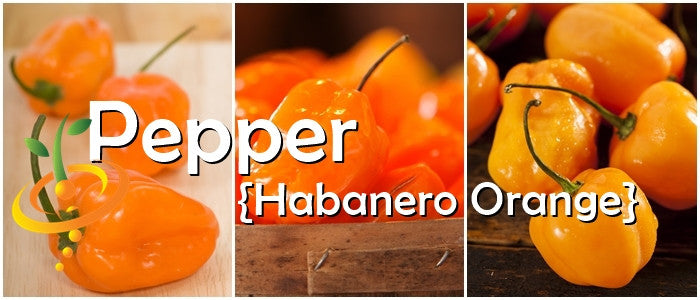
The Orange Habanero Pepper is the kind of pepper that makes you want to check your garden several times a day to see how orange it can get. Very. The kind of pepper that makes you wonder if you can add it to a dish with all orange ingredients like chorizo, carrots, and sweet potatoes. Yes. Or how about with apricots and cantaloupe? Not as hot as other habanero peppers.- Very high yields
- Fruity, citrusy, smoky flavor
- Hot enough to make a lion yelp
- Good for containers
SEED PLANTING TIPS
- Botanical name: Capsicum chinense
- Pepper length: 1"-2"
- Scoville heat units (SHU): 200,000-300,000/very hot
- Plant support: Tomato cage or stake
- Depth to plant seeds: .25" deep
- Spacing between plants: 18"-24" apart
- Spacing between rows: 24"-36" apart
- Days to germinate (sprout): 10-30 days
- Germination soil temps: 75F-85F
- Soil needs: 5.0-6.0 pH
- Sun needs: Full sun
- Frost hardy: No
- Planting season: Spring, summer
- # of plants per sq. ft.: Appx. 1 plant per sq. ft.
- Days to maturity: 85-105 days
Good companion plants: Basil, Carrot, Cucumber, Eggplant, Okra, Rosemary, Sage, Squash, TomatoAll Peppers ⟐ Hot Peppers 📚 Hot Peppers Grow Guide -
Pepper (Hot) - Habanero, Red Caribbean 🔥🔥🔥🔥🔥
From $499 USDUnit price /UnavailableDescription

The sweet, citrusy flavor, tropical fragrance, and lush green foliage of the Red Caribbean Habanero will remind you of a beach vacation. And so will the searing heat! Produces loads of small 1"-2" wrinkled fruits that twinkle in colors ranging from key lime green to sunrise yellow to sunset orange to sunburn red. Use it to make some haba-haba salsa, broiled halibut with charred pepper cream sauce, or spicy pineapple ice cream.
- Very high yields
- Sweet, citrusy flavor
- Hot enough to make a monkey cough
- Good for containers
SEED PLANTING TIPS
- Botanical name: Capsicum chinense
- Pepper length: 1"-2"
- Scoville heat units (SHU): 300,000-450,000/extra hot
- Plant support: Tomato cage or stake
- Depth to plant seeds: .25" deep
- Spacing between plants: 18"-24" apart
- Spacing between rows: 24"-36" apart
- Days to germinate (sprout): 10-30 days
- Germination soil temps: 75F-85F
- Soil needs: 5.0-6.0 pH
- Sun needs: Full sun
- Frost hardy: No
- Planting season: Spring, summer
- # of plants per sq. ft.: Appx. 1 plant per sq. ft.
- Days to maturity: 85-105 days
Good companion plants: Basil, Carrot, Cucumber, Eggplant, Okra, Rosemary, Sage, Squash, TomatoAll Peppers ⟐ Hot Peppers 📚 Hot Peppers Grow Guide -
Pepper (Hot) - Pretty Purple 🔥🔥🔥🔥
From $499 USDUnit price /UnavailableDescription

An edible ornamental, the Pretty Purple Pepper loves an audience. Compact plants produce an ensemble of 1"-2" tapered fruits that lift their tips in a glorious chorus line of mini rockets, going through several costume changes in green, purple, yellow, orange, and red. The show goes on when you bite into one. With a searing purple heat in tune with the Habaneros and the Scotch Bonnets, you’ll be singing and dancing in your own Broadway musical. Assemble several plants to choreograph a border, or give one the spotlight in a nice container/pot, and let it audition for your next spicy production.The Purple Cayenne Pepper is just as purple and pretty, but with less drama.
- High yields
- Edible ornamental
- Harvest any color
- Good for containers
SEED PLANTING TIPS
- Botanical name: Capsicum annuum
- Pepper length: 1"-2"
- Scoville heat units (SHU): 200,000-350,000/very hot
- Plant support: None - they support each other
- Depth to plant seeds: 1/8" deep
- Spacing between plants: 6"-12" apart
- Spacing between rows: 18"-24" apart
- Days to germinate (sprout): 7-21 days
- Germination soil temps: 75F-85F
- Soil needs: 6.0-7.0 pH
- Sun needs: Full sun
- Frost hardy: No
- Planting season: Spring, summer
- # of plants per sq. ft.: Appx. 2-4 plants per sq. ft.
- Days to maturity: 90-120 days
Good companion plants: Basil, Carrot, Cucumber, Eggplant, Okra, Rosemary, Sage, Squash, Tomato
All Peppers ⟐ Hot Peppers 📚 Hot Peppers Grow Guide -
Pepper (Hot) - Purple Tiger 🔥🔥
From $499 USDUnit price /UnavailableDescription
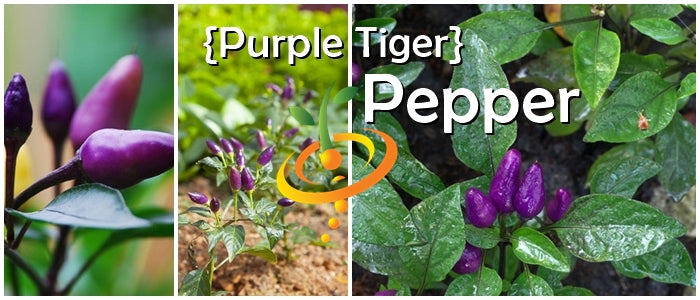
Exotic and rare, the Purple Tiger Pepper draws you to its lair with foliage in variegated colors of white, green, and purple. Slowly, slowly you’re mesmerized by the 1"-2" tapered fruit that starts off green, creeping to purple with a lighter, rosy striped pattern that ripens fully to red. And then it pounces with a low growl of heat, twice as hot a jalapeño. Stuff with cream cheese for some purple poppers, or pickle a peck of them to sprinkle on nachos.
Hunting for a heat that roars? Try the Chocolate Habanero Pepper.
- High yields
- Variegated foliage and fruit
- Harvest any color
- Good for containers
SEED PLANTING TIPS
- Botanical name: Capsicum annuum
- Pepper length: 1"-2"
- Scoville heat units (SHU): 5,000-9,000/medium
- Plant support: None
- Depth to plant seeds: 1/8" deep
- Spacing between plants: 12"-18" apart
- Spacing between rows: 18"-24" apart
- Days to germinate (sprout): 7-21 days
- Germination soil temps: 75F-85F
- Soil needs: 6.0-7.0 pH
- Sun needs: Full sun
- Frost hardy: No
- Planting season: Spring, summer
- # of plants per sq. ft.: Appx. 1 plant per sq. ft.
- Days to maturity: 90-100 days
Good companion plants: Basil, Carrot, Cucumber, Eggplant, Okra, Rosemary, Sage, Squash, Tomato
All Peppers ⟐ Hot Peppers 📚 Hot Peppers Grow Guide


🌱 Featured Seed Types (A - Z)
View all


continue shopping